

When it comes to operating solar and battery systems, success is determined by how well your assets perform over time. That’s where monitoring and analysis step in. The right insights can help owners and operators move beyond simple performance tracking to take real, measurable actions that improve output, reduce costs, and extend system life.
Turning Raw Data into Actionable Insight
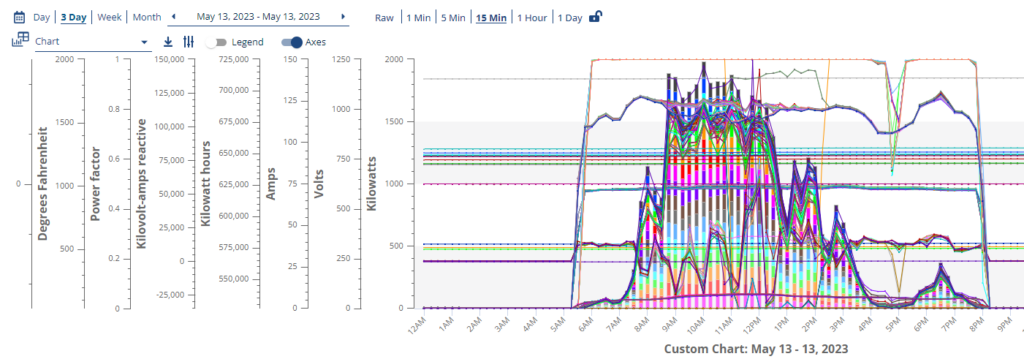
Modern solar monitoring platforms collect vast amounts of data, from inverter output and string-level performance to weather conditions and irradiance. But the real value comes from what you do with that data.
Effective monitoring systems turn these raw numbers into actionable insights, helping operators quickly identify when and why performance is off track. Whether it’s spotting early signs of equipment degradation, detecting a string outage, or recognizing inverter clipping, these systems empower teams to respond before small issues turn into major production losses.
Identifying Underperformance Early
Even a small deviation in performance can have a large financial impact over time. A system performing at 98% of expected capacity may sound good until you realize that 2% loss over a year equates to thousands of dollars in missed production.
Through continuous analysis, operators can:
- Detect declining module efficiency and schedule preventive maintenance.
- Compare current output against modeled expectations to find underperforming arrays.
- Recognize patterns in downtime or inverter resets that may point to systemic issues.
By catching these trends early, monitoring data helps teams fix issues faster and keep performance on target.
Driving Continuous Improvement
Monitoring is a great tool for ongoing optimization. Over time, operators can use historical data to refine everything from maintenance schedules to inverter setpoints and site-specific performance benchmarks.
Examples of data-driven improvements include:
- Adjusting cleaning schedules based on soiling loss data rather than fixed timelines.
- Fine-tuning battery charge/discharge parameters to maximize energy use and system longevity.
- Benchmarking performance across multiple sites to set consistent, achievable KPIs.
The result? Smarter decision-making, more efficient operations, and a stronger return on investment.
Empowering Teams with Real-Time Visibility
The best monitoring platforms make data accessible to everyone who needs it — from technicians in the field to executives tracking portfolio performance. User-friendly dashboards and automated alerts ensure that actionable information is available in real time, improving response times and communication across teams.
When operators have immediate insight into system behavior, they can make decisions confidently whether that means dispatching a service team, adjusting operational parameters, or validating performance guarantees.
The Bottom Line
Solar monitoring is a performance engine! It turns insight into action. Operators can ensure every kilowatt-hour is optimized, every component is performing at its best, and every decision is backed by data.
In an industry where uptime and efficiency directly affect profitability, the smartest systems are those that never stop learning.